
The Science of Fullness: Understanding GLP-1 Peptides and Fat Loss
In recent years, the conversation around weight loss and metabolic health has been dominated by a class of medications known as GLP-1 receptor agonists (such as semaglutide and tirzepatide). Originally developed to manage type 2 diabetes, these peptide-based therapies have proven remarkably effective for significant, sustained fat loss. But how exactly do they work, and what makes them different from traditional weight-loss methods?
In this article, we will break down the science behind GLP-1 peptides, exploring their mechanisms of action and their broader benefits for metabolic health.
What is GLP-1?
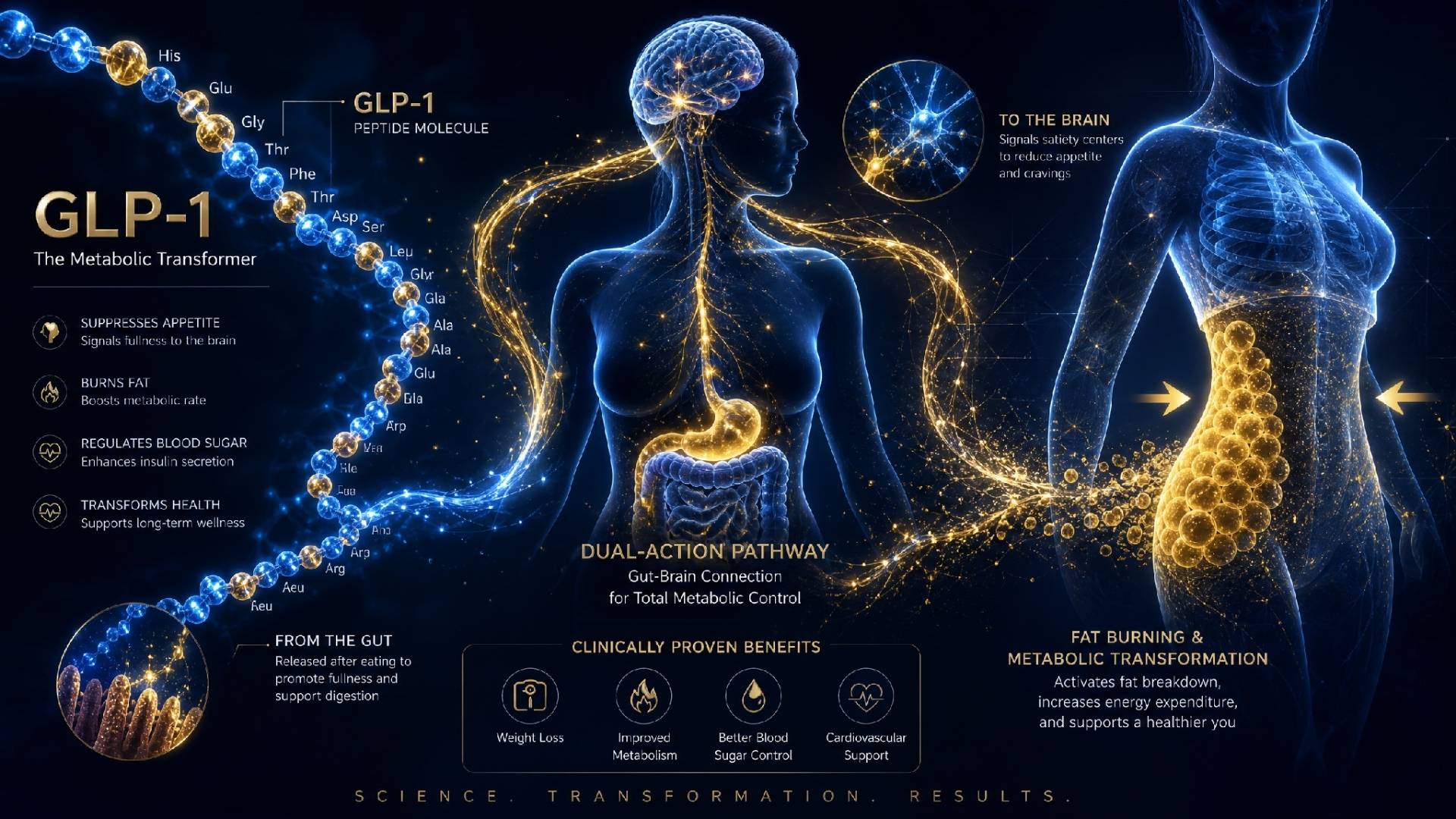
Glucagon-like peptide-1 (GLP-1) is a naturally occurring hormone produced in the gut in response to eating food. Its primary job is to help regulate blood sugar levels. It does this by stimulating the pancreas to release insulin (which lowers blood sugar) and inhibiting the release of glucagon (which raises blood sugar) [1].
However, natural GLP-1 is broken down by the body very quickly — usually within a few minutes. GLP-1 medications are synthetic versions (peptides) designed to mimic the natural hormone but engineered to last much longer in the body, providing sustained metabolic effects.
How GLP-1 Peptides Drive Fat Loss
The weight loss associated with GLP-1 therapies is not magic; it is the result of profound physiological changes in how the body processes food and signals hunger.
1. The Brain: Suppressing Appetite and Cravings
GLP-1 receptors are not just in the gut; they are also located in the brain, particularly in areas that regulate appetite and reward. When GLP-1 medications bind to these receptors, they send powerful signals of satiety (fullness) to the brain [2].
This mechanism helps quiet "food noise" — the constant, intrusive thoughts about food and cravings that many people struggle with. By reducing the neurological drive to eat, individuals naturally consume fewer calories without the intense feelings of deprivation often associated with dieting.
2. The Gut: Delayed Gastric Emptying
GLP-1 medications slow down the rate at which the stomach empties its contents into the small intestine [3]. Because food stays in the stomach longer, you feel full much faster when eating and remain satisfied for a longer period after a meal. This physical sensation of fullness works in tandem with the brain's satiety signals to significantly reduce portion sizes and snacking.
3. Metabolic Optimization
Beyond simply eating less, GLP-1 peptides improve how the body handles energy. By enhancing insulin sensitivity, these medications help the body utilize glucose more effectively, reducing the likelihood that excess energy will be stored as fat — particularly visceral fat (the dangerous fat surrounding abdominal organs) [4].
Beyond the Scale: Cardiovascular Benefits
The benefits of GLP-1 therapies extend far beyond aesthetic weight loss. Recent clinical trials have demonstrated that these medications provide significant cardiovascular protection.
The American College of Cardiology now recognizes certain GLP-1 medications as a tool to reduce the risk of major adverse cardiovascular events, such as heart attacks and strokes, in adults with cardiovascular disease and obesity [5]. This is likely due to a combination of factors: weight loss, reduced blood pressure, lower systemic inflammation, and improved lipid profiles.
Key Takeaways
"GLP-1 therapies shift the paradigm of weight loss from a battle of willpower to a matter of physiological regulation. They address the biological drivers of obesity, offering a highly effective tool for metabolic reset."
Understanding how GLP-1 peptides work demystifies their success. By acting on both the brain and the gut to regulate appetite and improve insulin function, they offer a powerful, science-backed approach to fat loss and metabolic health. However, they are most effective — and sustainable — when used as part of a comprehensive lifestyle plan that includes proper nutrition and exercise.
References
Müller, T. D. (2019). Glucagon-like peptide 1 (GLP-1). PMC.
Moiz, A. (2025). Mechanisms of GLP-1 Receptor Agonist-Induced Weight Loss. ScienceDirect.
Ard, J. (2021). Weight Loss and Maintenance Related to the Mechanism of Action of GLP-1 Receptor Agonists. PMC.
Bu, T. (2024). Glucagon-Like Peptide-1: New Regulator in Lipid Metabolism.
American Heart Association. (2022). GLP-1 Receptor Agonists for the Reduction of Cardiovascular Risk.


