
A Heart-Healthy Lifestyle: Your Guide to Preventing Cardiovascular Disease
When it comes to longevity and wellness, taking care of your heart is one of the most impactful things you can do. Cardiovascular disease remains a leading health concern globally, but the good news is that many of its risk factors are largely within our control. By adopting a proactive approach to heart health, you can significantly lower your risk of heart issues and enjoy a vibrant, active life.
In this article, we will explore the core pillars of heart health, focusing on actionable steps you can take today to protect your cardiovascular system.
Understanding the Risk Factors
Before diving into prevention strategies, it is essential to understand what puts your heart at risk. According to the Centers for Disease Control and Prevention (CDC), the primary risk factors for heart disease include high blood pressure, high cholesterol, and smoking. Additionally, lifestyle factors such as a sedentary routine, poor nutrition, and obesity play a significant role in the development of cardiovascular issues.
Knowing your numbers — such as your blood pressure, cholesterol levels, and blood sugar — is the first step in taking control of your heart health. Regular check-ups with your healthcare provider can help you monitor these vital metrics and catch any potential issues early.
Nutrition for a Strong Heart
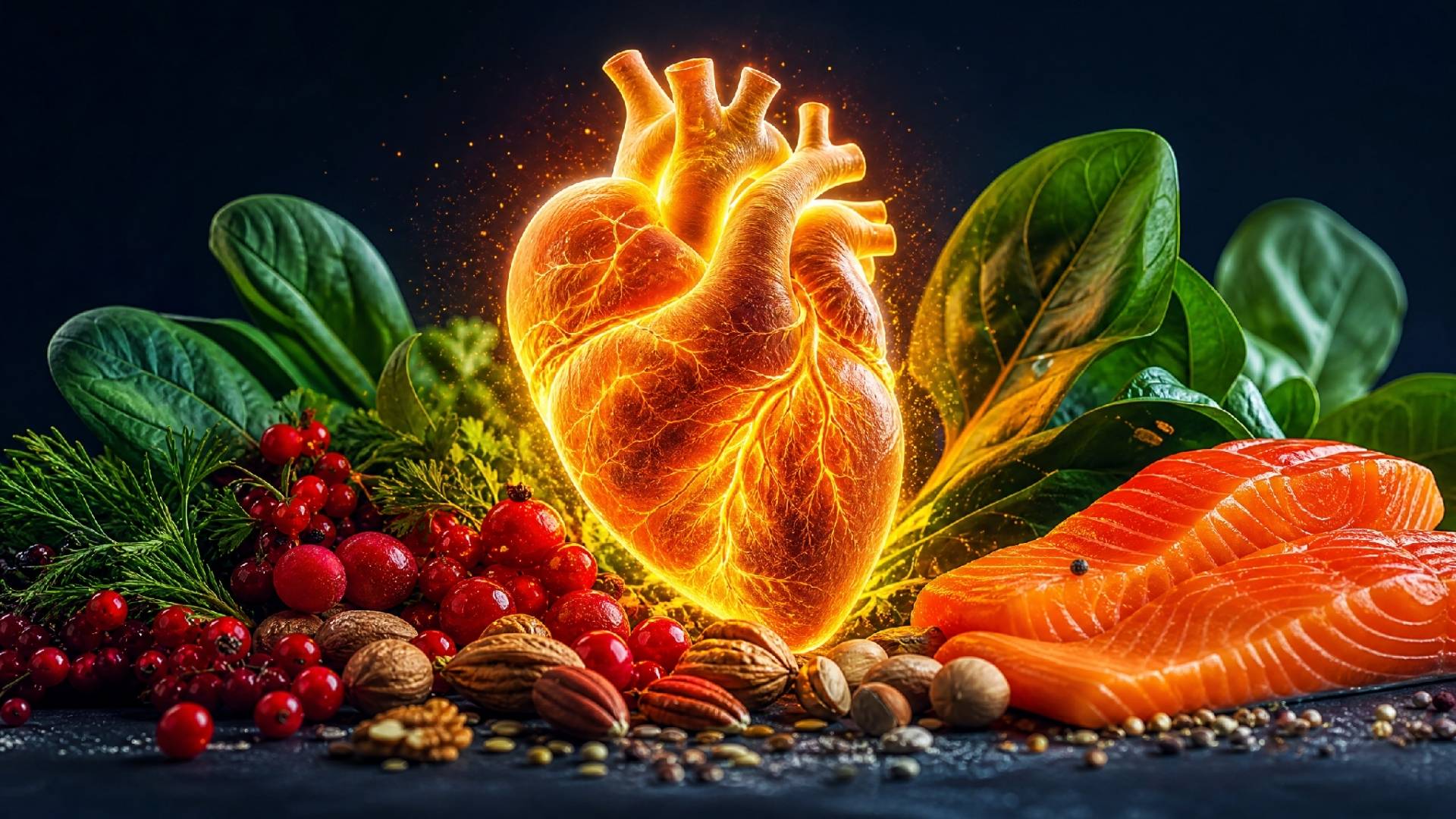
Diet is one of the most powerful tools you have for preventing heart disease. The American Heart Association (AHA) recommends a dietary pattern that emphasizes vegetables, fruits, whole grains, and healthy sources of protein, while limiting unhealthy fats and added sugars.
Here are some key nutritional strategies for heart health:
Focus on Whole Foods. A heart-healthy diet is rich in minimally processed foods. Aim to fill half your plate with colorful vegetables and fruits at every meal.
Choose Healthy Fats. Not all fats are created equal. Swap saturated fats (found in fatty meats and full-fat dairy) for unsaturated fats (found in olive oil, avocados, nuts, and seeds). Omega-3 fatty acids, found in fatty fish like salmon, are particularly beneficial for cardiovascular health.
Limit Sodium and Sugar. High sodium intake can contribute to high blood pressure, while excessive added sugar is linked to weight gain and metabolic issues. Be mindful of hidden sodium and sugar in processed and packaged foods.
Embrace Fiber. Whole grains, legumes, and vegetables are excellent sources of dietary fiber, which helps manage cholesterol levels and keeps you feeling full and satisfied.
The Power of Movement
Physical activity is another cornerstone of cardiovascular wellness. Regular exercise strengthens the heart muscle, improves blood flow, and helps manage weight, blood pressure, and cholesterol levels.
The general recommendation is to aim for at least 150 minutes of moderate-intensity aerobic exercise (such as brisk walking, swimming, or cycling) or 75 minutes of vigorous-intensity exercise per week. Additionally, incorporating strength training exercises at least twice a week can further benefit your overall health and metabolism.
Finding activities you enjoy is key to making exercise a sustainable part of your lifestyle. Whether it is dancing, hiking, or playing a sport, the goal is simply to get moving.
Managing Stress and Prioritizing Sleep
While diet and exercise often take the spotlight, stress management and adequate sleep are equally crucial for heart health. Chronic stress can elevate blood pressure and contribute to unhealthy coping mechanisms, such as poor dietary choices or smoking.
Techniques like meditation, deep breathing exercises, and yoga can be effective in lowering stress levels and promoting relaxation. Furthermore, ensuring you get 7 to 9 hours of quality sleep each night allows your body to repair and recover, supporting optimal cardiovascular function.
Key Takeaways
"Heart disease is largely preventable. The choices you make every day — what you eat, how much you move, how you manage stress — are the most powerful medicine available."
Protecting your heart is a lifelong journey that requires a holistic approach to wellness. By prioritizing nutrient-dense foods, staying physically active, managing stress, and getting enough sleep, you can build a strong foundation for cardiovascular health. Remember, small, consistent changes to your daily routine can yield significant long-term benefits for your heart.
References
Centers for Disease Control and Prevention. (2024). Heart Disease Risk Factors.
Ghodeshwar, G. K. (2023). Impact of Lifestyle Modifications on Cardiovascular Health. PMC.
Lichtenstein, A. H. (2026). 2026 Dietary Guidance to Improve Cardiovascular Health. AHA Journals.
Mayo Clinic. (n.d.). Strategies to prevent heart disease.
NNMG. (2024). How To Prevent Heart Diseases: Tips & Strategies.


