
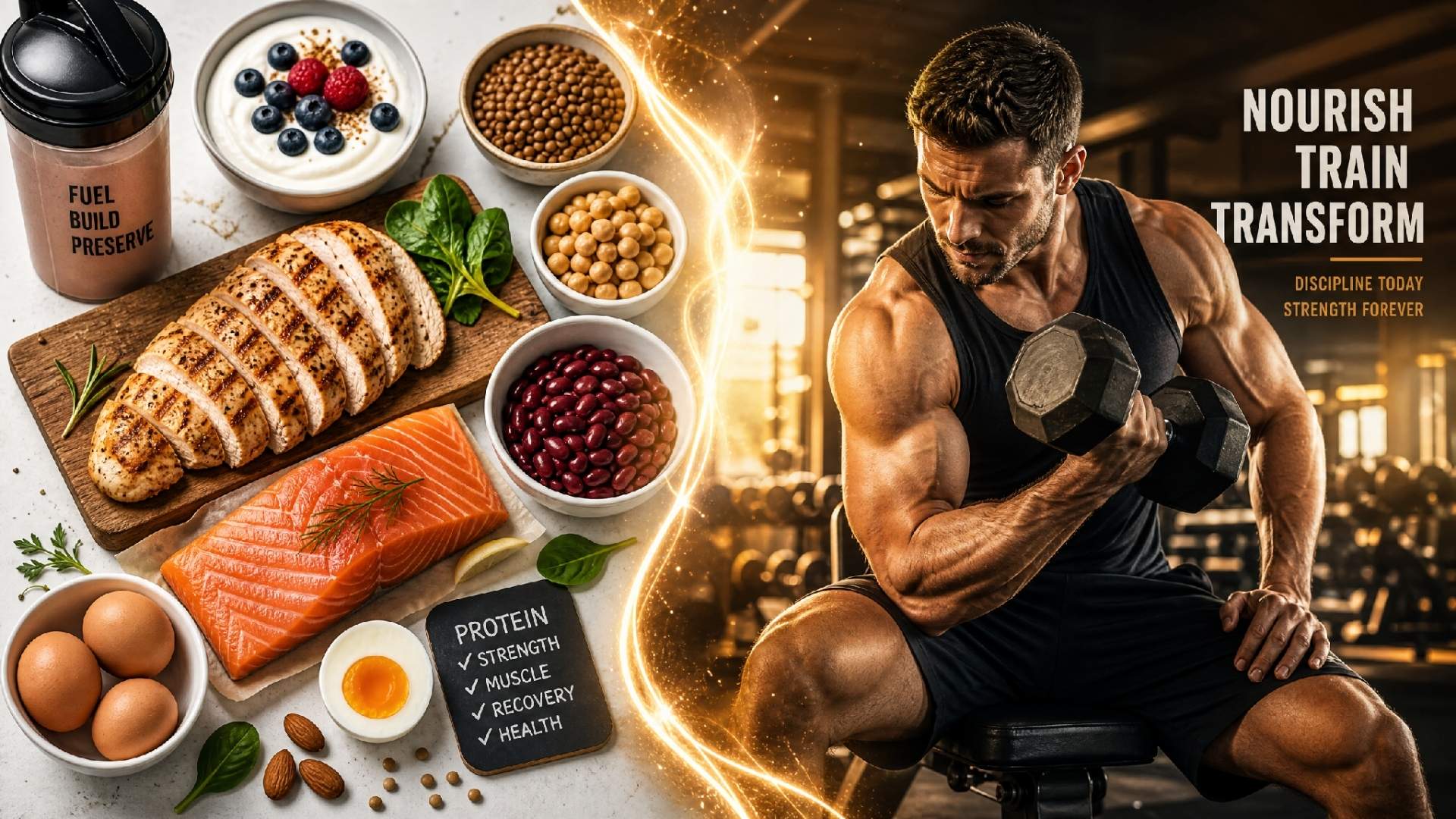
Preserving Strength: Protein and Exercise Guidance While Using GLP-1 Peptides
The weight loss achieved through GLP-1 therapies (like semaglutide and tirzepatide) can be life-changing. However, a significant concern has emerged in the medical and fitness communities: the quality of the weight being lost. When the body loses weight rapidly, it does not just lose fat; it also loses lean muscle mass.
Muscle is metabolically active tissue that burns calories, supports bone density, and ensures physical functional independence as we age. Losing too much muscle can slow your metabolism and lead to frailty. Therefore, when utilizing GLP-1 peptides, a proactive strategy involving optimal protein intake and resistance training is not just recommended — it is essential.
The Risk of Muscle Loss on GLP-1s
Because GLP-1 medications drastically reduce appetite and slow gastric emptying, patients naturally consume significantly fewer calories. While this caloric deficit drives fat loss, it also puts the body in a catabolic (tissue-breaking) state. Without the right nutritional and physical stimulus, the body will break down muscle tissue for energy [1].
Studies indicate that up to 30-40% of the weight lost on these medications can come from lean mass if proper interventions are not in place [2]. This makes preserving muscle the primary nutritional goal during treatment.
Nutritional Strategy: Prioritizing Protein
When your overall food intake drops, the nutritional density of what you do eat becomes paramount. Protein is the building block of muscle, and your requirements actually increase when you are in a caloric deficit.
How Much Protein Do You Need?
To preserve lean mass while losing weight, experts recommend aiming for 1.2 to 2.0 grams of protein per kilogram of body weight per day (roughly 0.6 to 1 gram per pound) [3]. For a 200-pound person, this equates to roughly 120 to 200 grams of protein daily.
Tips for Hitting Protein Goals on GLP-1s
Because you will feel full quickly, getting enough protein requires strategic planning:
Protein First. Always eat the protein portion of your meal first. If you fill up on vegetables or carbohydrates early, you may not have room for the essential amino acids your muscles need.
Frequent, Small Doses. Due to delayed gastric emptying, large meals can cause nausea. Aim to distribute your protein intake evenly throughout the day, targeting 25 to 30 grams per meal or snack.
Utilize Liquid Protein. When solid food is unappealing, high-quality whey or plant-based protein shakes, bone broth, and collagen peptides can be an easy, easily digestible way to boost your intake.
Physical Strategy: The Necessity of Resistance Training
Dietary protein provides the building blocks, but exercise provides the blueprint. To signal to your body that it needs to keep its muscle tissue, you must use it.
While cardiovascular exercise is excellent for heart health, resistance training (strength training) is the most effective way to preserve and build lean mass during weight loss [4].
Exercise Guidelines
Frequency: Aim for 2 to 3 days of full-body resistance training per week.
Modality: Use free weights, weight machines, resistance bands, or challenging bodyweight exercises (like push-ups and squats).
Intensity: The exercises should feel challenging. You need to stimulate the muscle fibers to encourage them to adapt and grow.
Consistency: Consistency is more important than duration. Even 20-30 minute focused strength sessions can be highly effective.
Key Takeaways
"Weight loss is not the ultimate goal; fat loss is. By prioritizing protein and strength training, you ensure that the weight you lose on GLP-1 therapies leaves you stronger, healthier, and more metabolically resilient."
Using GLP-1 peptides provides a unique opportunity to reset your metabolic health. However, protecting your lean muscle mass must be a conscious, daily effort. By combining adequate, high-quality protein intake with a consistent resistance training routine, you can maximize fat loss, preserve your strength, and build a healthier body composition for the long term.
References
Ubie Health. (n.d.). What type of exercise helps with GLP-1 muscle wasting?.
Endocrine Society. (2025). Consuming more protein may protect patients taking anti-obesity medications from muscle loss.
David Protein. (2026). Protein on GLP-1s: How to Preserve Muscle While Losing Weight.
Mayo Clinic. (2026). GLP-1 Medications and Muscle Loss: What to Know.


