
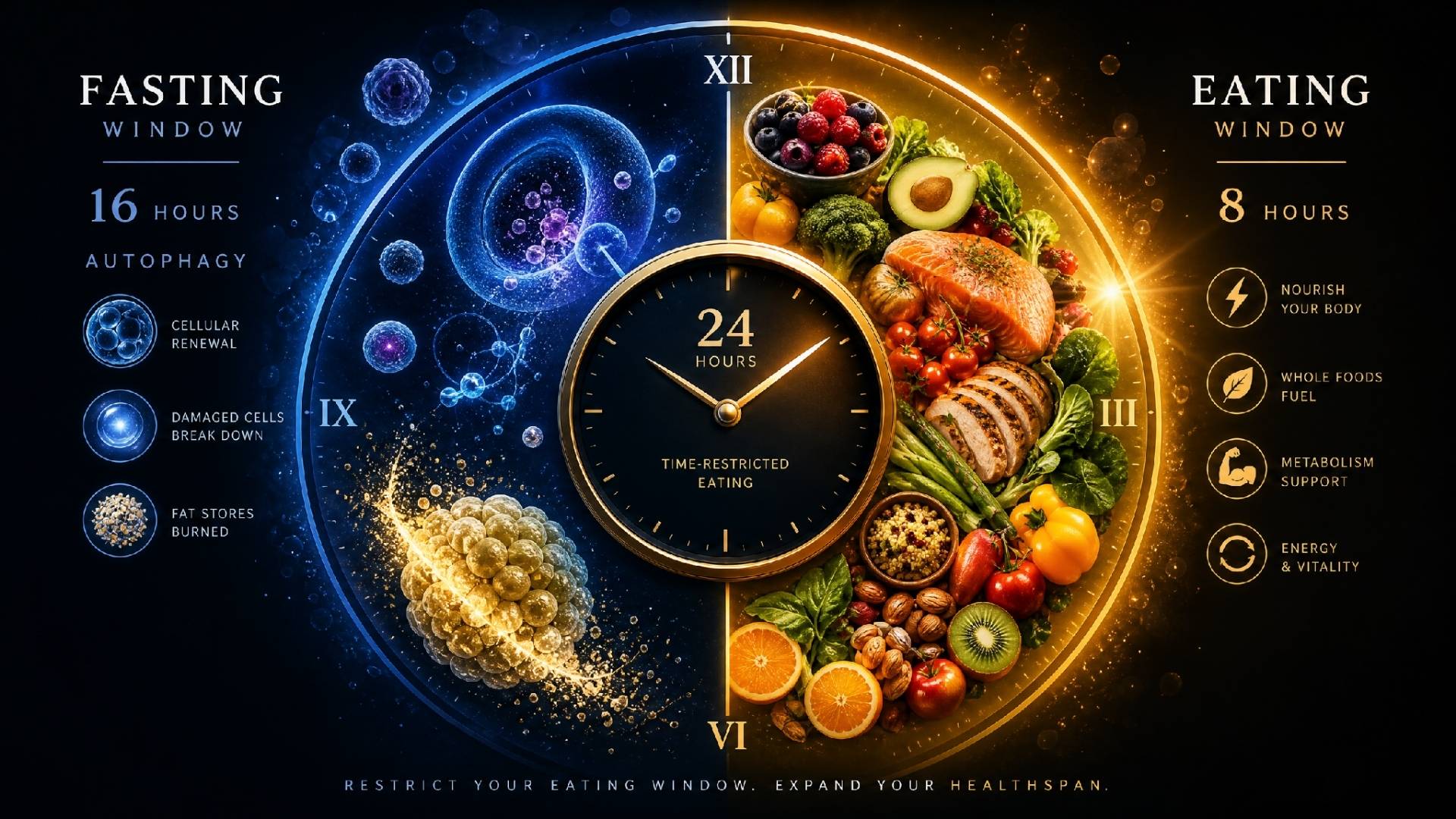
The Power of the Pause: Benefits of Intermittent Fasting for Weight Loss and Health
For decades, the standard dietary advice was to eat three square meals a day, plus snacks, to keep the metabolism "stoked." However, modern science is increasingly pointing to an ancient practice that challenges this paradigm: fasting. Intermittent fasting (IF) is not a diet in the traditional sense; it does not dictate what you should eat, but rather when you should eat.
By intentionally cycling between periods of eating and fasting, IF triggers a cascade of physiological changes that can promote weight loss, enhance cellular repair, and improve overall metabolic health. Let's explore the science behind the pause.
How Intermittent Fasting Works
At its core, intermittent fasting is about managing insulin levels. When we eat, our body releases insulin to help cells absorb glucose (sugar) from the blood for energy. Any excess glucose is stored in the liver or converted into fat.
When we fast, insulin levels drop significantly. After a certain period without food (usually 12 to 16 hours), the body depletes its stored glycogen and is forced to switch its primary fuel source from sugar to stored body fat. This metabolic switch is the primary mechanism behind fasting-induced weight loss.
Popular Fasting Protocols
The 16:8 Method: Fasting for 16 hours and restricting your daily eating window to 8 hours (e.g., eating only between 12:00 PM and 8:00 PM). This is the most popular and sustainable method for many.
The 5:2 Diet: Eating normally for five days of the week and restricting calorie intake to 500–600 calories on the other two non-consecutive days.
Alternate-Day Fasting: Fasting every other day, or consuming very few calories on fasting days.
The Benefits Beyond Weight Loss
While IF is a highly effective tool for reducing body weight and visceral fat, its most profound benefits occur at the cellular level.
1. Autophagy: Cellular Spring Cleaning
One of the most significant benefits of fasting is the induction of autophagy (literally "self-eating"). When the body is in a fasted state, cells initiate a waste-removal process. They break down and metabolize broken, dysfunctional, or old cellular proteins and organelles. This cellular "spring cleaning" is believed to protect against neurodegenerative diseases, reduce inflammation, and promote longevity.
2. Improved Insulin Sensitivity
Intermittent fasting gives the pancreas a break from constantly producing insulin. This rest period helps improve insulin sensitivity, meaning the body becomes more efficient at using insulin when you do eat. This is a critical factor in preventing and managing type 2 diabetes and metabolic syndrome.
3. Reduced Inflammation
Chronic inflammation is a known driver of many chronic diseases, including heart disease and cancer. Studies have shown that intermittent fasting can reduce markers of systemic inflammation and oxidative stress in the body.
Is Intermittent Fasting Right for Everyone?
While IF offers numerous benefits, it is not suitable for everyone. It is generally not recommended for pregnant or breastfeeding women, individuals with a history of eating disorders, or those who are underweight. People with diabetes who are on insulin or blood sugar-lowering medications should only attempt fasting under strict medical supervision, as it can cause dangerous drops in blood sugar.
Furthermore, what you eat during your feeding window still matters immensely. Breaking a fast with ultra-processed, sugary foods will negate many of the metabolic benefits. A focus on whole foods, lean proteins, and healthy fats is essential.
Key Takeaways
"Fasting is not about starvation; it is about giving your digestive system a rest and allowing your body to shift its energy toward cellular repair and fat burning."
Intermittent fasting is a powerful, evidence-based lifestyle tool that can optimize metabolic health, promote fat loss, and encourage cellular rejuvenation. By simply changing the timing of your meals, you can tap into your body's ancient, evolutionary mechanisms for healing and resilience.
References
Harvard T.H. Chan School of Public Health. (2025). The health benefits of intermittent fasting.
Brasse, P. (2025). Intermittent Fasting: Efficacy, Safety, and Its Impact on Body Weight. PMC.
Cleveland Clinic. (2022). Autophagy: Definition, Process, Fasting & Signs.
Wong, P. (2026). Effect of 8-Hour Time-Restricted Eating (16/8 TRE) on Glucose. Nutrition Reviews.


