
Trust Your Gut: Understanding the Microbiome and Digestive Wellness
The human gut is often referred to as the body's "second brain," and for good reason. It is home to trillions of microorganisms, collectively known as the gut microbiome, which play a critical role in digestion, immune function, and even mental health. A healthy gut is foundational to overall wellness, while an imbalanced microbiome can lead to a host of issues, from digestive discomfort to chronic inflammation.
In this article, we will explore the fascinating world of the gut microbiome, the importance of the gut-brain connection, and practical steps you can take to optimize your digestive wellness.
The Marvelous Microbiome
Your gut microbiome is a complex ecosystem of bacteria, viruses, and fungi. When this ecosystem is balanced — with a diverse array of beneficial bacteria — it supports optimal health. These microbes help break down food, synthesize essential vitamins, and train the immune system to distinguish between friendly and harmful invaders.
However, factors such as a poor diet, chronic stress, lack of sleep, and the overuse of antibiotics can disrupt this delicate balance, leading to a state known as dysbiosis. Dysbiosis is associated with various digestive issues, including bloating, gas, and irregular bowel movements, and is increasingly linked to broader health concerns like obesity, autoimmune conditions, and mood disorders.
Prebiotics and Probiotics: Feeding the Good Guys
To maintain a healthy microbiome, you need to provide the right environment for beneficial bacteria to thrive. This is where prebiotics and probiotics come into play.
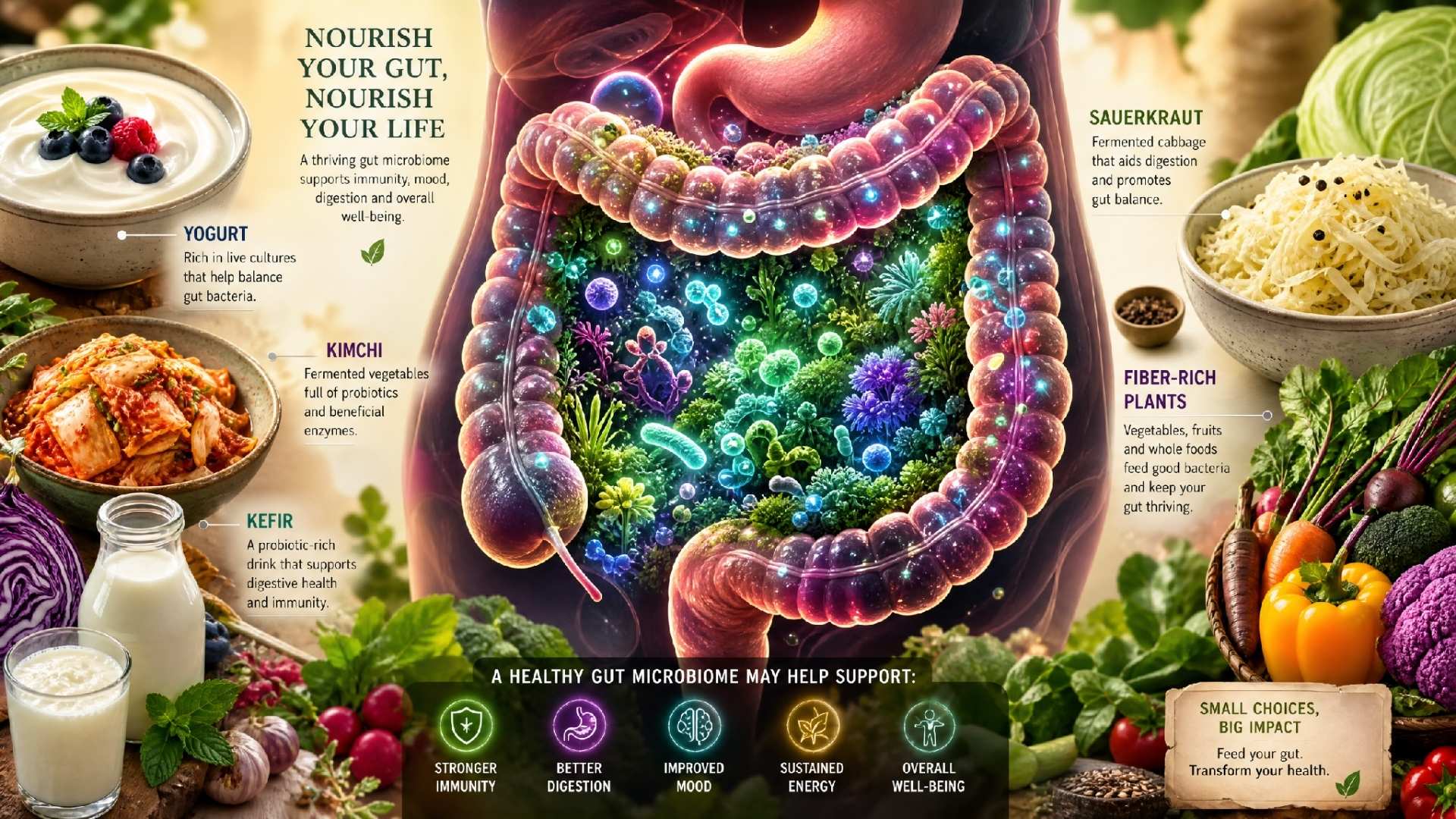
Probiotics are live beneficial bacteria found in fermented foods like yogurt, kefir, sauerkraut, kimchi, and kombucha. Consuming these foods introduces new, friendly microbes into your gut ecosystem.
Prebiotics, on the other hand, are a type of dietary fiber that humans cannot digest, but the beneficial bacteria in the gut can. Essentially, prebiotics are the "food" for your probiotics. Excellent sources of prebiotics include garlic, onions, leeks, asparagus, bananas, and oats.
A diet rich in both prebiotics and probiotics is essential for fostering a diverse and resilient microbiome.
The Gut-Brain Connection
One of the most exciting areas of current medical research is the gut-brain axis — the bidirectional communication network between the central nervous system and the enteric nervous system (the nervous system of the gut).
The gut microbiome produces many of the same neurotransmitters found in the brain, including serotonin and dopamine, which regulate mood and emotion. In fact, an estimated 90% of the body's serotonin is produced in the gut. This profound connection explains why digestive issues are often accompanied by anxiety or depression, and conversely, why stress can trigger gastrointestinal distress.
Supporting your gut health through a balanced diet and stress management can, therefore, have a significant positive impact on your mental well-being.
Understanding "Leaky Gut"
"Leaky gut syndrome," or increased intestinal permeability, is a condition where the lining of the small intestine becomes damaged, allowing undigested food particles, toxins, and bacteria to "leak" through the intestines and flood the bloodstream. This can trigger an immune response and widespread inflammation.
Symptoms often associated with a leaky gut include chronic diarrhea, constipation, gas, nutritional deficiencies, fatigue, headaches, and skin issues.
To support the integrity of the gut lining, experts recommend removing inflammatory food triggers, eating a nutrient-dense diet focused on whole foods, and consuming foods that support the gut lining, such as bone broth (rich in collagen and amino acids like glutamine) and omega-3 fatty acids.
Key Takeaways
"All disease begins in the gut." — Hippocrates. Modern science is proving this ancient wisdom right, revealing just how central our digestive health is to our overall well-being.
Your digestive wellness is a window into your overall health. By prioritizing a diverse, plant-rich diet, incorporating fermented foods, managing stress, and being mindful of potential food triggers, you can cultivate a thriving microbiome. Remember, a happy gut is the foundation of a healthy, vibrant life.
References
USDA Agricultural Research Service. (2025). Keeping a Healthy Gut.
Cleveland Clinic. (n.d.). What Is the Gut-Brain Connection?
Mayo Clinic Health System. (2025). Gut health: prebiotics and probiotics.
Ansari, F. (2023). The role of probiotics and prebiotics in modulating of the gut-brain axis. PMC.
Cleveland Clinic. (2022). Leaky Gut Syndrome: Symptoms, Diet, Tests & Treatment.


